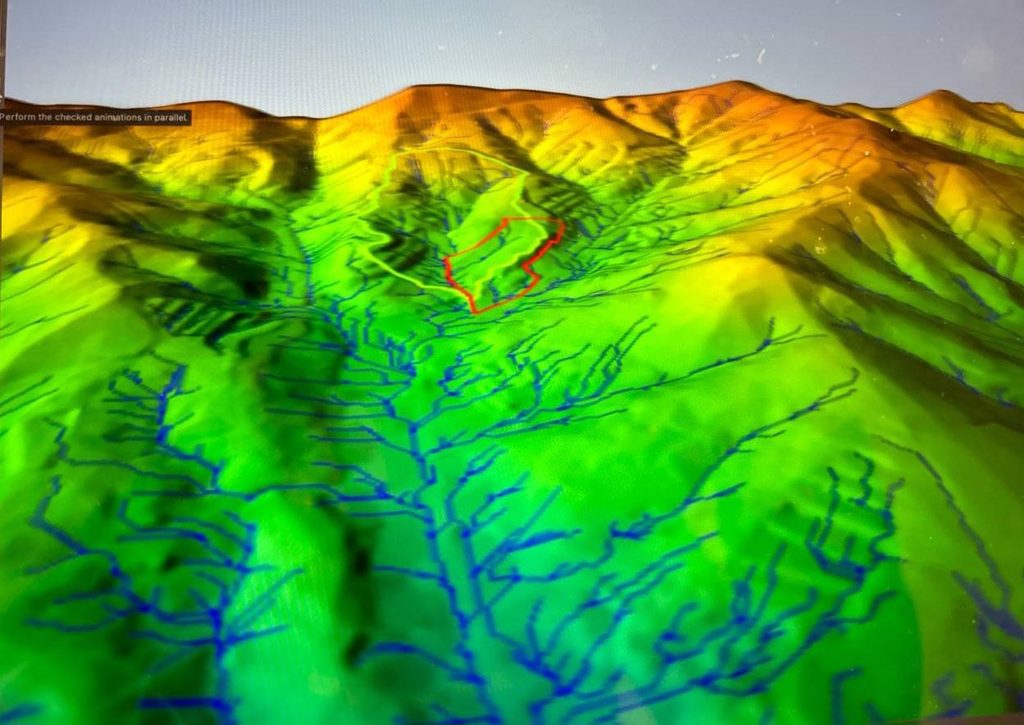
Every time it rains, the water begins its journey through the landscape. Some of it is absorbed by vegetation, some seeps into the ground, some is temporarily stored, and some continues on its way to lower-lying areas, watercourses, aquifers, and finally the sea.
However, the way we have transformed the land has disrupted many of these processes. Compacted or impervious soils, loss of vegetation, roads that channel runoff, and drainage systems designed to quickly remove water can cause rain to flow more rapidly, carrying away soil and sediment and reducing the amount of time it remains available in the landscape.
Rainwater management is not simply a matter of collecting as much water as possible or preventing it from leaving a plot of land. It involves understanding what happens to the water when it reaches a specific location and designing strategies that address both people’s needs and the hydrological functioning of the area.
Stormwater harvesting can be part of this strategy. We can store it for specific uses, promote its infiltration where appropriate, slow its flow, distribute it to areas that can benefit from it, or create temporary retention areas. The appropriate combination will always depend on the characteristics and needs of each location.
What do we mean by stormwater collection?
Rainwater harvesting involves identifying, collecting, and managing water from precipitation in order to put it to use or facilitate certain processes within a system.
The best-known example is rainwater falling on a roof and being channeled through gutters and downspouts into a storage tank. However, limiting our understanding of rainwater harvesting to this image overlooks many of the possibilities that a landscape offers.
Rain also falls on roads, yards, compacted areas, crops, forests, and hillsides. Each of these surfaces receives, absorbs, concentrates, or diverts water in a different way.
That’s why, before deciding what infrastructure to install, it’s important to know how much rain falls and how much water we actually need at home each day, as well as to observe how water moves around the property: where it comes from, where it accumulates, what paths it follows, where it causes problems, and where it could be beneficial.
It is also important to keep in mind that no place functions in isolation. Every home, plot of land, or property is part of a watershed and has hydrological connections with the areas located upstream and downstream. The decisions we make regarding water can, therefore, have effects that extend beyond the boundaries of a single property.
Understanding how much rain falls in the area
Understanding precipitation is one of the first steps toward understanding a location’s water potential. As a simple reference, 1 millimeter of rain falling on a surface area of 1 square meter is roughly equivalent to 1 liter of water.
This means that a 100-square-meter roof theoretically receives about 5,000 liters during a cumulative rainfall of 50 mm.
This calculation can help us determine the size of a storage system, but it does not, on its own, tell us how that water will behave. To design a system properly, it is also necessary to consider the distribution of rainfall throughout the year, the intensity of different rainfall events, the characteristics of the surfaces onto which the water falls, and the landscape’s capacity to absorb, retain, or convey it.
Designing to take advantage of frequent, moderate rainfall is not the same as preparing for long dry spells followed by episodes of heavy rainfall. A reservoir, a vegetated area, a retention structure, or a conveyance system can serve very different functions within the same system.
That’s why, rather than focusing on a single figure for how many liters we can collect, we should ask ourselves : What types of rainfall do we get, when do they occur, and what happens to the water during each of these events?
Not all of that amount will necessarily reach the storage tank. There are losses associated with the system itself, such as evaporation, initial runoff, debris, or overflows. Even so, performing this calculation helps you understand the potential of a home or property and better size the system. Installing a tank without analyzing this data can lead to two opposite scenarios: having much more capacity than necessary (and having to bear a higher cost) or having a tank that fills up immediately and discharges a large portion of the rainfall too quickly.
Our Responsibility Regarding Rainwater Harvesting
We have a responsibility regarding the rainwater that falls on our own homes and properties. When we build a house, pave an access road, or compact a surface, we are altering where rain falls: some of the water that previously could slowly seep into the ground and help recharge aquifers can now quickly become runoff. Restoring part of that hydrological function is a concrete way to take responsibility for the impact caused by our use of the land.
In addition, climate change is causing wet periods to become increasingly erratic and, in many places, more intense and torrential, while dry periods tend to last longer. Landscape transformation and degradation exacerbate these imbalances. That is why we need not only to slow the flow of excess water but also to store it and keep it available for drier periods, both within the landscape and through appropriate infrastructure.
Roofs as stormwater collection surfaces for rainwater
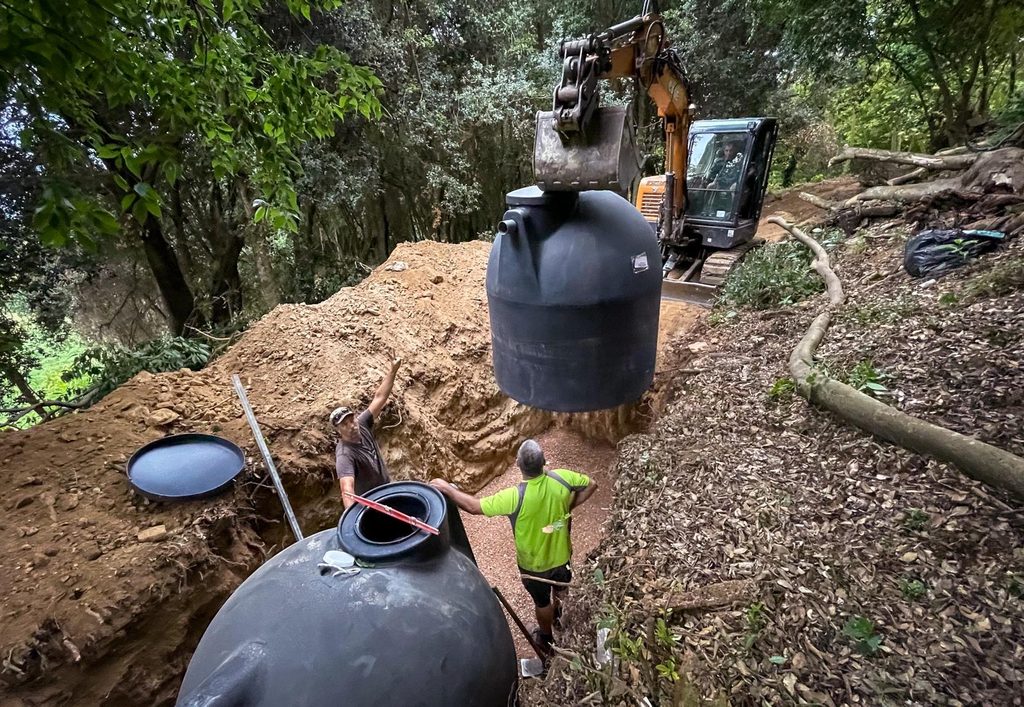
Roofs make it relatively easy to collect rainwater at a specific location. Using gutters and downspouts, the water can be directed to a storage tank or other infrastructure from which it can be used later.
A system may include the four elements of a watershed: the catchment area; gutters and downspouts as conveyance elements; filtration systems; stormwater management; and one or more tanks as storage elements; and a final piping system for distribution. The design of the entire system will depend, among other factors, on the intended use, precipitation levels, available land area, and budget.
Collecting water to irrigate a small garden is very different from meeting part of a household’s needs, having a reserve for a productive farm, or ensuring greater self-sufficiency during periods of scarcity.
The roofing materials and potential sources of contamination must also be taken into account before deciding on the possible uses for the collected water.
However, the reservoir does not have to be the end of the storage system. When it reaches capacity, the excess water can be integrated into a broader strategy and directed, for example, toa “rain garden”—a vegetated temporary retention system designed according to site conditions.
Store water for when you need it
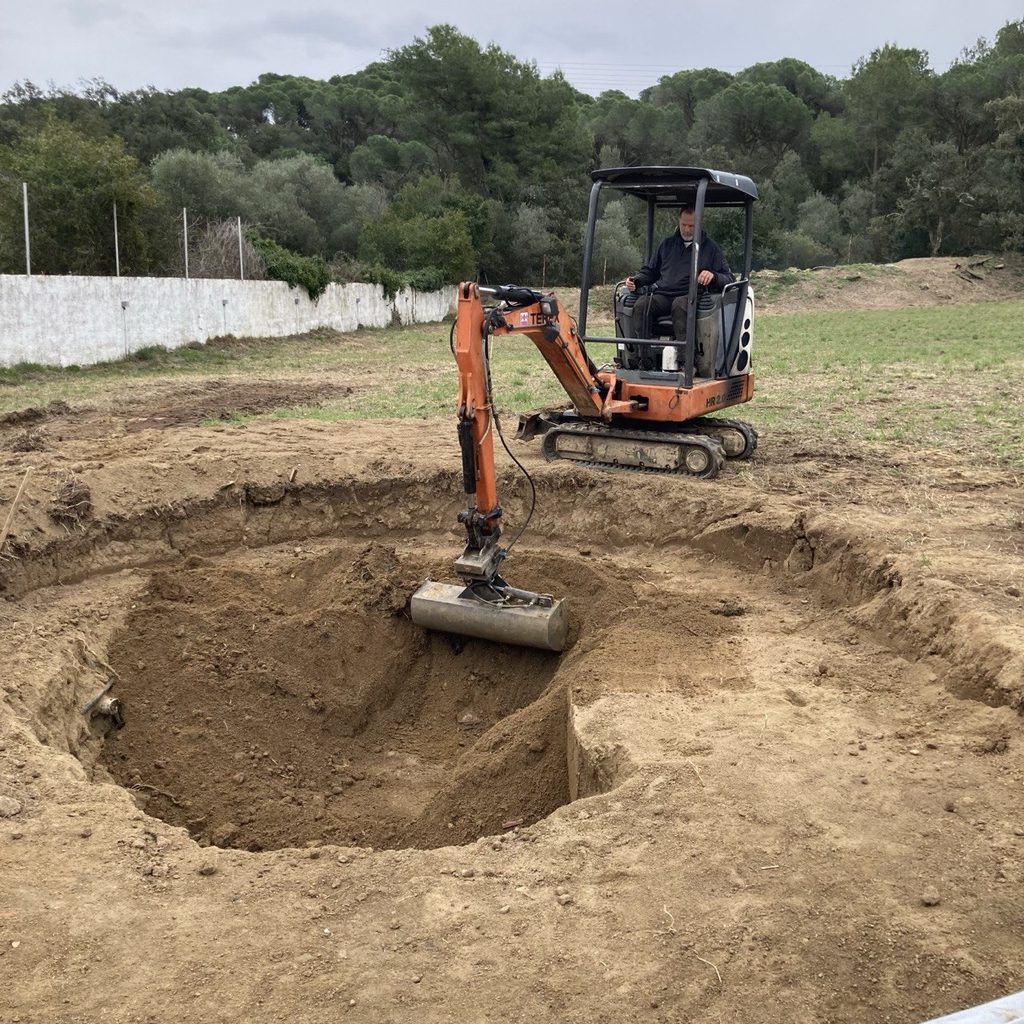
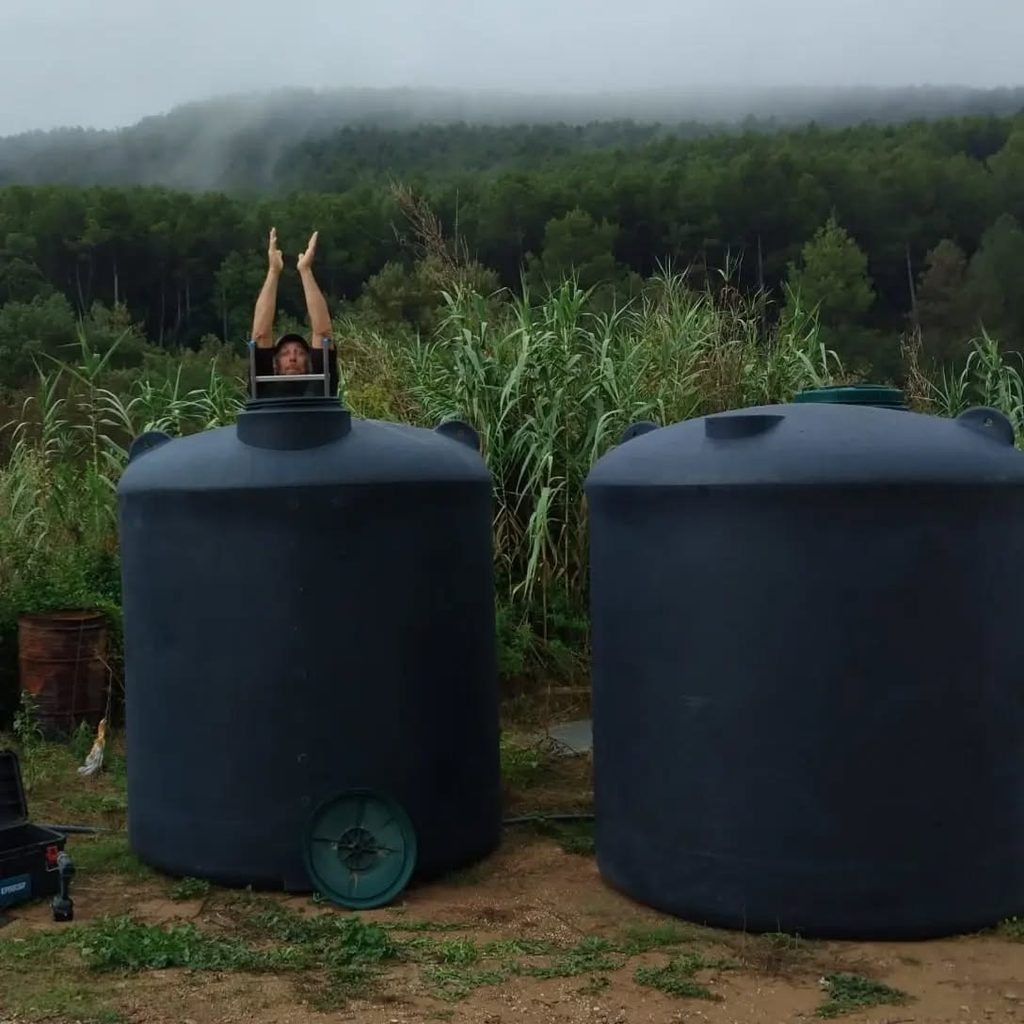
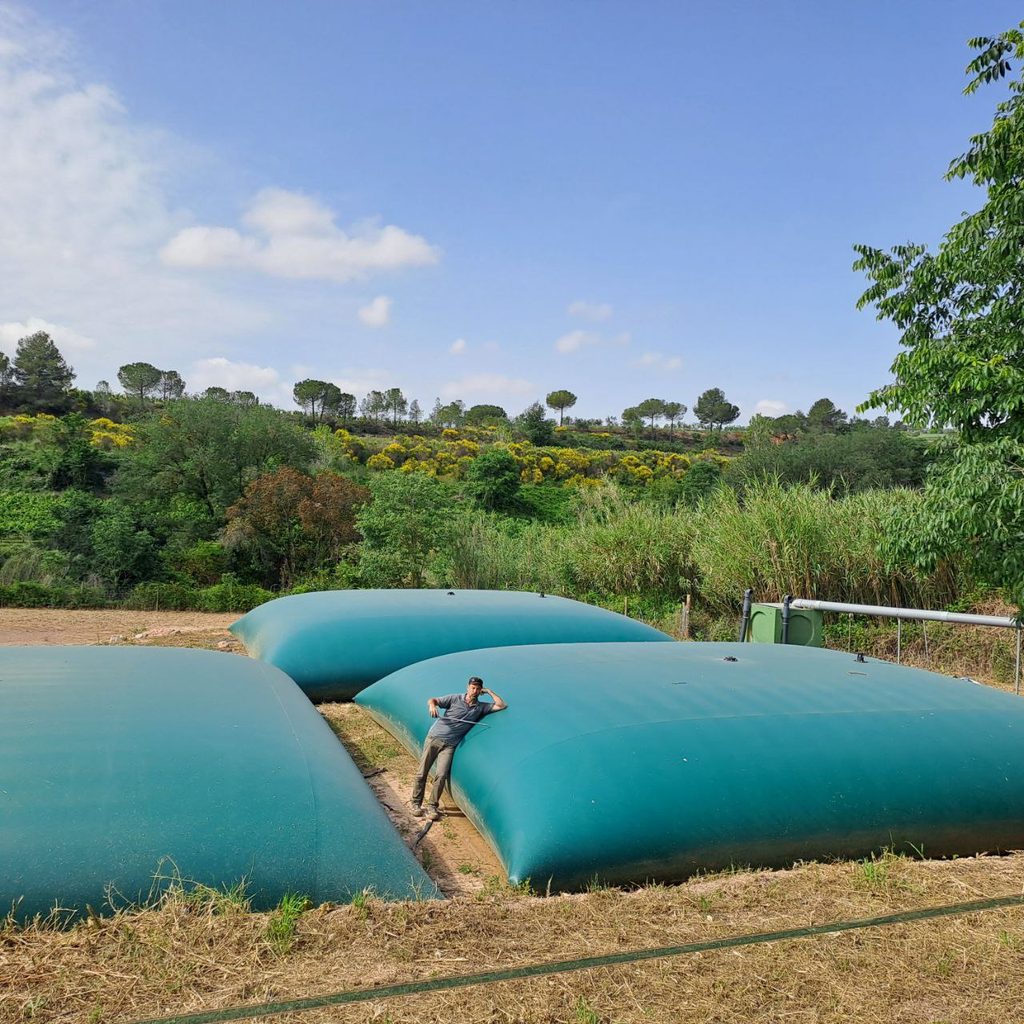
Storage in tanks allows us to save some rainwater for later use. Their capacity must account for both the amount of water we can collect and the demand for water, as well as the distribution of rainfall over time.
A reservoir that is too small can fill up quickly during a rainstorm and overflow, while one with excessive capacity may never be fully utilized if inflows are insufficient or too irregular.
But the goal is not simply to maximize the number of liters stored. A properly sized system seeks to achieve an appropriate balance between collection, storage, actual household needs, water availability, and ecosystem functions within the overall design.
In some cases, multiple storage facilities of varying sizes or located in different places may better meet the system’s needs than a single large facility.
What can the collected water be used for?
Possible uses depend on water quality, the collection and treatment system, and applicable regulations.
One of the most common uses is for irrigating vegetable gardens, lawns, trees, and other productive or vegetated areas. The stored water can also be used for certain household purposes when the system is specifically designed for that purpose.
Defining from the outset what role we want the water to play helps in designing the system. But it’s also helpful to consider the different functions that a single piece of infrastructure can serve. A reservoir can provide water for irrigation, increase self-sufficiency during dry periods, and, at the same time, be part of a strategy for managing excess rainfall and preventing flooding downstream.
Reading Water in the Landscape
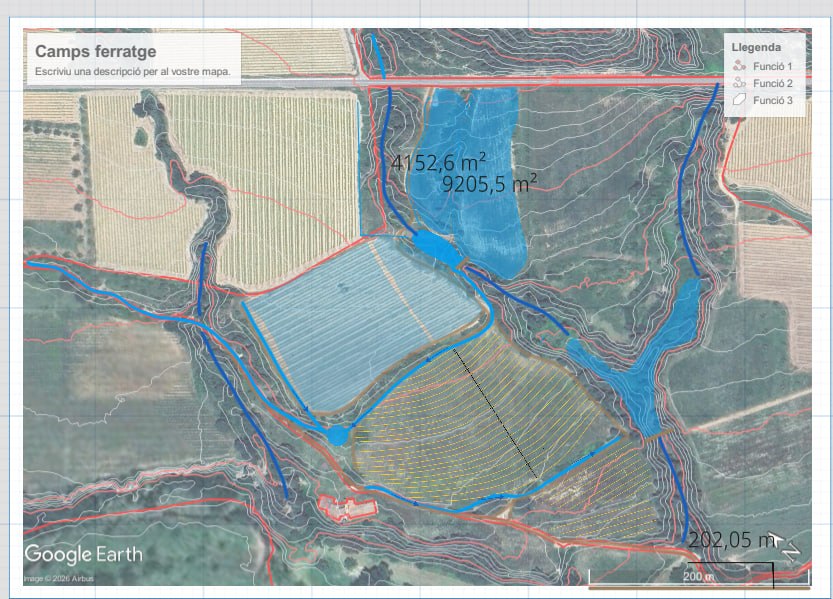
On a farm or in a given area, roofs are only a small part of the surface area that receives rainfall. Water flows according to the topography, soil, vegetation, geology, and human interventions. Roads, ditches, crops, buildings, and compacted surfaces can alter these pathways, increasing runoff, erosion, and water loss from the landscape.
That is why a good rainwater harvesting strategy begins by observing: Where does the water enter? Where does it accumulate? Where does it gain speed? Where can it infiltrate or be stored? These observations make it possible to design solutions that not only make use of rainwater but also help restore the green water cycle, maintain soil moisture, and strengthen the health of ecosystems.
A landscape capable of better retaining and distributing water is also more resilient to extreme weather events: it can reduce erosion and the risk of flooding during heavy rains and maintain more available moisture during dry periods, helping to reduce vulnerability to wildfires.
The Landscape as Hydrological Infrastructure
Rainwater can be stored in more than just tanks. The soil, vegetation, and the landscape itself are also hydrological infrastructure. Living, vegetated soil can absorb and retain water in a very different way than bare or compacted soil.
Stormwater management can therefore combine water bodies (reservoirs, retention ponds) with landscape strategies such as optimal plant design, soil structure improvement, temporary retention and infiltration where site conditions permit, and the reduction of runoff velocity through earthworks tailored to the topography. Our 4×4 methodology for Hydrological Landscape Design encompasses all of these elements.
The goal is not to stop all the water or make it all disappear underground, but rather to slow it down, distribute it, allow it to seep into the ground, store it, or channel it according to the needs and characteristics of each location, and to restore the natural water cycle.
Slow down, distribute, infiltrate, retain, and guide
There is no single solution for stormwater management. A single design can collect water from rooftops for storage, use the excess water to nourish vegetated areas, reduce erosion along a path, and temporarily retain some of the runoff.
Thus, stormwater harvesting is no longer just a way to secure water for our needs; it has become a tool for restoring the water cycle, improving the health of soils and ecosystems, and increasing the region’s resilience to droughts, fires, and floods.
The key is to understand how each space works and to design a system in which each element serves a purpose within the whole.
Rainwater Harvesting for Different Scales and Types of Rainfall
Not all rain events present the same challenges.
Light, frequent rainfall can help maintain soil moisture and vegetation. Seasonal rainfall can help fill reservoirs or replenish certain water reserves. Intense rainfall events, on the other hand, can mobilize large amounts of water and sediment in a short period of time.
A good hydrological design must take this diversity into account.
An infrastructure that works perfectly for collecting water for irrigation may be completely incapable of handling a heavy storm. Similarly, a measure designed to reduce the energy of concentrated runoff does not necessarily provide water for domestic use.
Thinking about different scales—from a rooftop or a home to a farm, a sub-watershed, or a watershed—allows for a better understanding of the connections between these interventions.
Reservoirs, Landscape, and Territory: Designing Systems, Not Isolated Solutions
One of the most common mistakes is to look for a single infrastructure solution that addresses all aspects of water management.
A reservoir alone will not solve an erosion problem. An infiltration area will not necessarily replace a water reserve for the summer. A retention pond can serve certain purposes, but it will not be suitable for all types of land.
The solution arises from a combination of elements and strategies tailored to each context.
We can think of a home, a lot, or a property as part of a broader system in which water is collected, used, slowed down, distributed, infiltrated, temporarily retained, or allowed to flow safely onward.
The goal is not to keep all the water within artificial boundaries or to prevent it from following its natural course. It is to restore, as much as possible, more functional relationships between water, soil, vegetation, people, and the land.
Hydrological design tailored to each location
Every place has its own history, topography, geology, soils, rainfall patterns, and specific relationships with the surrounding territory. That is why there are no universal solutions.
Good design begins with observation and understanding: how water arrives, how it moves, where it accumulates, which processes we want to protect or restore, and what the project’s actual needs are.
Based on this analysis, strategies can be developed that combine—where appropriate—surface water collection, storage in reservoirs, runoff management, temporary retention, revegetation, and other interventions aimed at improving the site’s hydrological functioning.
At La Casa Integral, we approach hydrological design and consulting from this systemic perspective. We study how water behaves in relation to topography, soil, vegetation, infrastructure, and the territorial context to identify opportunities and develop strategies tailored to each location.
Because designing with water isn’t just about collecting more liters. It’s about understanding its paths, its timing, and its relationships, and about creating conditions that help build more resilient, vibrant communities capable of coping with both water shortages and periods of heavy rain.