A single-family home can produce more than 600 liters of wastewater per day. How we manage that wastewater ultimately determines the quality of our landscapes, our soils, and the groundwater and bodies of water that supply our homes. The circular economy of water is important so that we can continue to have access to clean water, avoiding both unnecessary pollution and high costs for wastewater treatment.
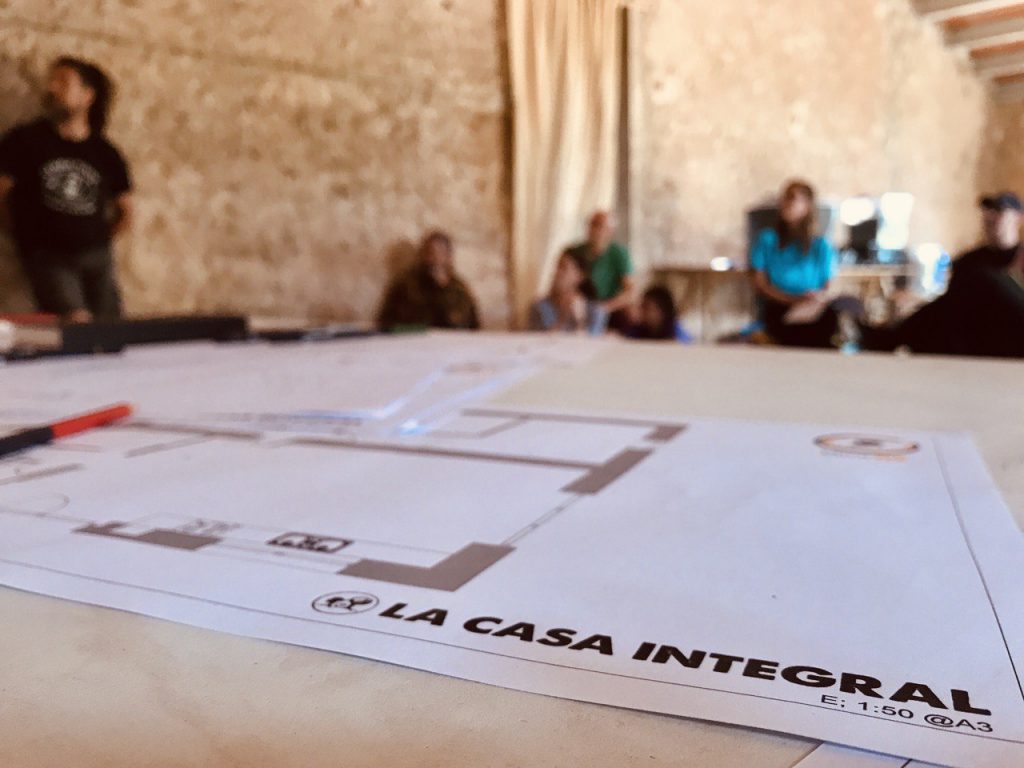
The Educational Team at La Casa Integral offers training in various formats on domestic water recycling systems.
In these articles, we share the theoretical framework, design criteria, and practical details of the various options that can be implemented in a home.
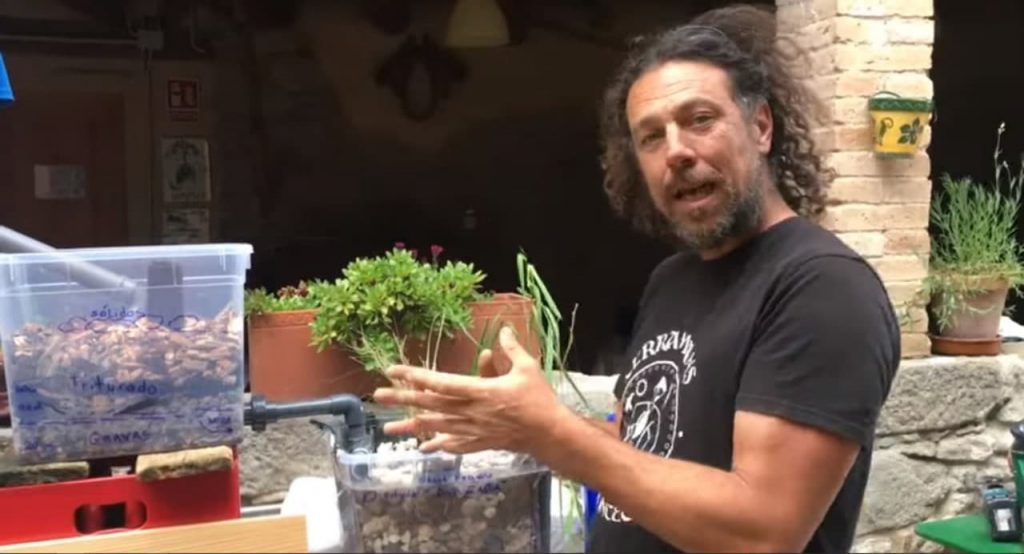
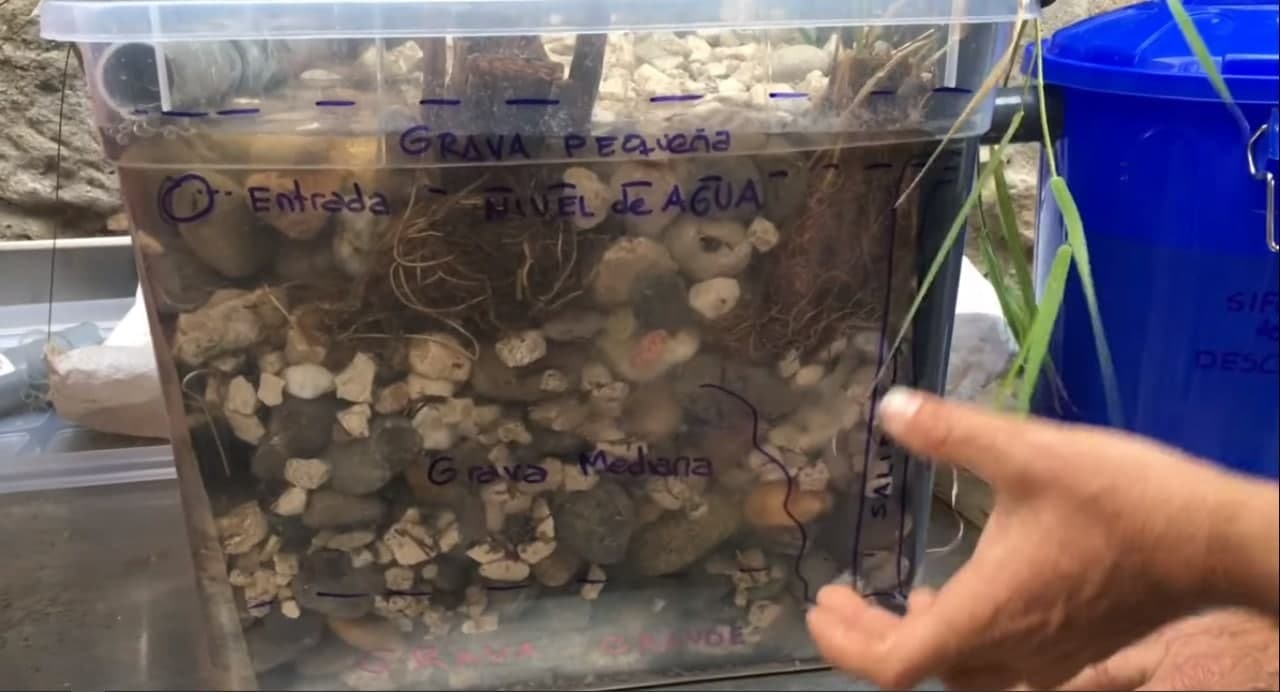
We have a scale model of what a SIRAR (Comprehensive Wastewater Reuse System) might look like, which helps students better understand the system’s various components. This system can be implemented to recycle both blackwater (containing fecal matter) and graywater, and in several of the workshops, we even got to participate in installing the various parts of such a system.
Along the SIRAR route, we can find various Nature-Based Solutions such as the aerobic processes for transforming organic matter found in the Composting Septic Tank, the aquatic systems of the phytoremediation bed that remove excess nutrients, and finally the plant communities of plants and trees that complete the cycle in our landscapes.
We share and disseminate information based on our design studio’s experience
Our main framework is permaculture, and its third ethical principle calls for sharing resources and surpluses. So we’re offering you a short, educational video filmed by Sergi Caballero at Mas Les Vinyes, where you can see the SIRAR model explained using the scale model we’ve prepared.
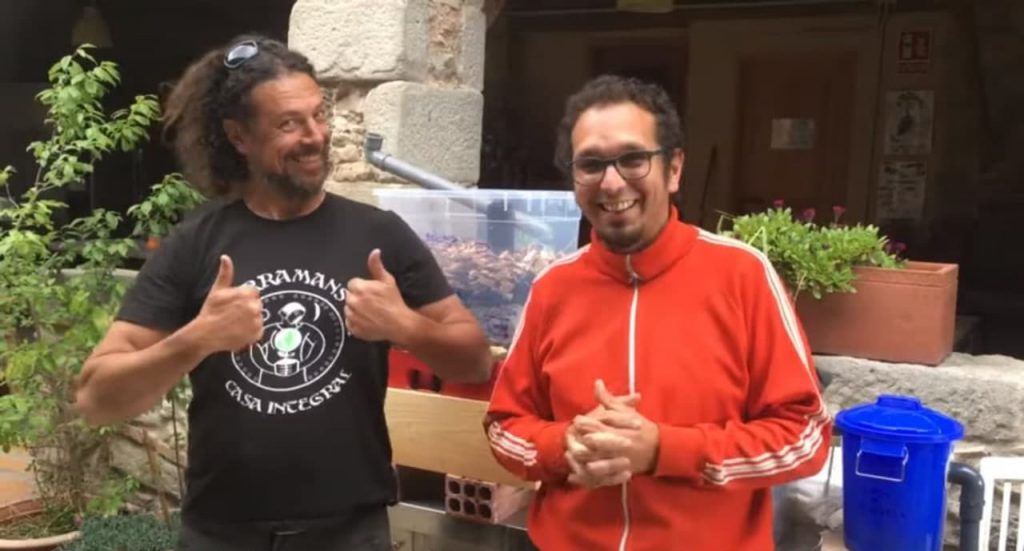
We at La Casa Integral invite you to watch this video, which will help you better understand one of the key components of #SABERES that reduces the water footprint and increases a household’s food sovereignty.