
Permaculture has certain distinctive features that set it apart from other design disciplines focused on sustainable development (regeneration is inherent to it), and one of them is definitely its ethical framework.
The Three Ethics
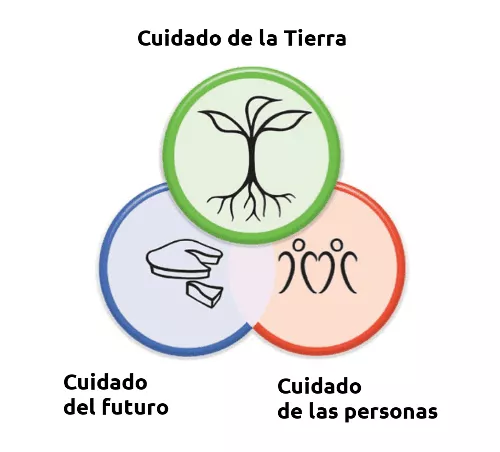
- Caring for the Planet
- Caring for People (Including Yourself)
- Caring for the Future (Population Control and Fair Distribution)
These three principles help us make decisions, design strategies, and choose techniques that are aligned with systems thinking and, therefore, with both individual and global responsibility.
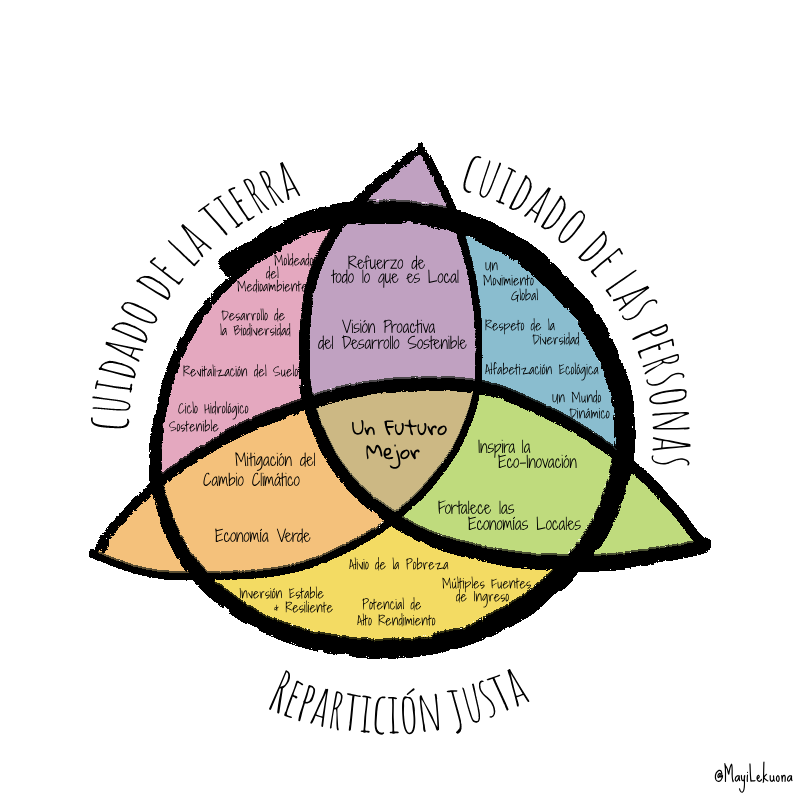
Although they are presented as three separate ethical systems, they form a whole that converges at the center and serves as the foundation for living in this world with coherence and consistency toward our living environment.
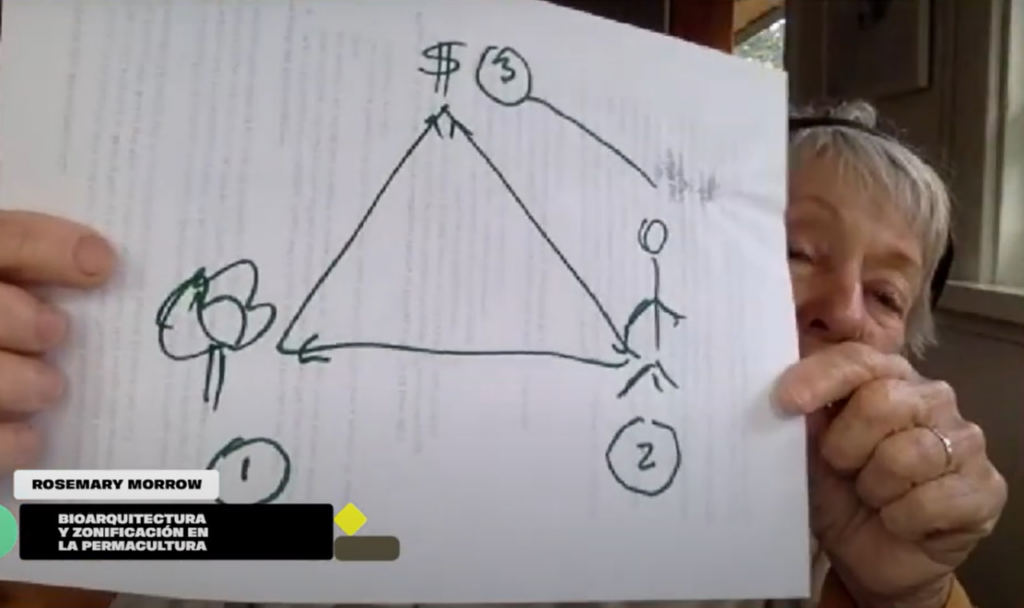
If we take care of the planet, we’ll be healthier and happier as people, and we’ll then be in a better position to share our surplus. It’s a constant interplay between the three ethical principles that form the foundation of permaculture, as Rosemary Morrow explains so well in this video (original in English, translated asynchronously by Santiago Harguindey).
As David Holmgren once said:
“Part of the problem with the prevailing psychology in our (Western) culture is that we are separated from Nature and not bound by its limits. Clearly, the rise and fall of energy will shatter that mistaken view once and for all. What is also necessary is the realization that we are not some contradiction of Nature, a destroyer of it, but rather that we have a place in Nature, and we can claim it.”
Further Thoughts:
From the book*Permaculture Guide to Land Use*by Rosemary Morrow
(Translated into Spanish by Kaicron Publishing) “When permaculture first emerged, there was no debate—as there is today—about the need to incorporate ethics into public and private life. Even so, Bill Mollison and David Holmgren based the practices and concepts of permaculture on ethics and principles. Ethics provide us with a sense of duty that serves as our guide; they are moral values or codes of conduct through which we can evaluate ideas and strategies. Let’s reflect on this: Are scientists who study soil beneficial to the earth? Consider chemical fertilizers and pesticides. “What would happen if people engaged in science had ethics—and not just research objectives?”
From the book*Practical Permaculture for Your Land, Your Community, and the Whole Planet*by Jessi Bloom and Dave Boehnlein
(Translated into Spanish by the publisher La Fertilidad de la Tierra) “The ethical foundation of permaculture is an important aspect of what sets it apart from other fields of design. Generally, permaculture literature agrees on the first two ethical guidelines, but regarding the third (…) there may be slight differences.”
Let’s try an observation exercise:
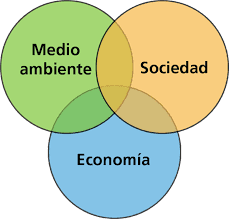
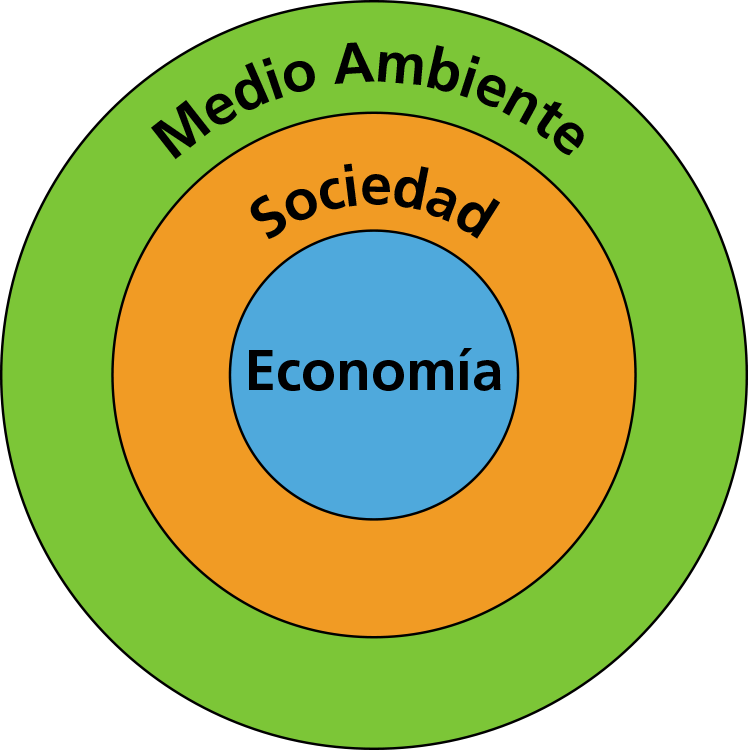
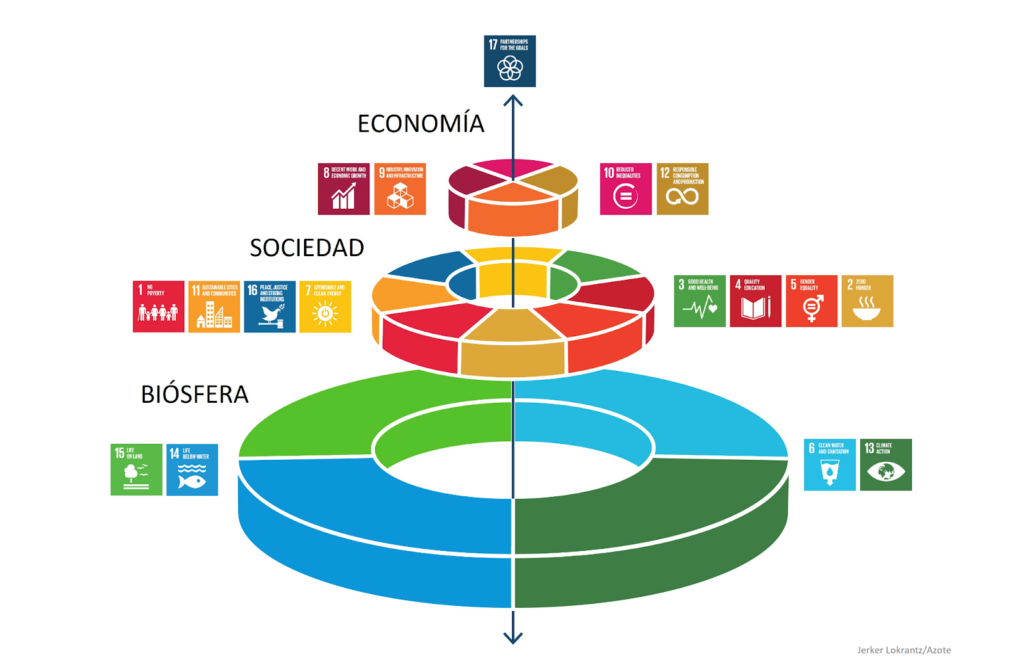
Let the three different images speak to you, and reflect on them before reading a bit of background information in this article. Which of the images resonates with you the most? Is there one that doesn’t resonate with you at all? Why?
We invite you to create your own drawing using concepts that you think might represent applications of each ethical principle—or several of them—as in the example by Mayi Lekuona (seen on the Maïa Permaculture website):
(This text is part of the content of our certified training program, the CDP (Certificate in Permaculture Design) #KNOWLEDGE for a Possible Future. More info here.)